Buy roditeli.eu ?
We are moving the project
roditeli.eu .
Are you interested in purchasing the domain
roditeli.eu ?
domain@kv-gmbh.de · 0541-91531010
Buy roditeli.eu ?
Are antigens pathogens?
Antigens are molecules that can trigger an immune response in the body. While some antigens may come from pathogens such as bacteria, viruses, or other harmful substances, not all antigens are pathogens. Antigens can also come from harmless substances like pollen, dust, or certain foods. **
What are antigens?
Antigens are molecules or substances that are recognized by the immune system as foreign and can elicit an immune response. They can be found on the surface of pathogens such as bacteria, viruses, and parasites, as well as on the surface of transplanted tissues or cells. Antigens are also present on the surface of cancer cells. When the immune system detects antigens, it produces specific antibodies or activates immune cells to target and eliminate the foreign substances. **


Similar search terms for Antigens
Top-Angebote
Products related to Antigens:
-
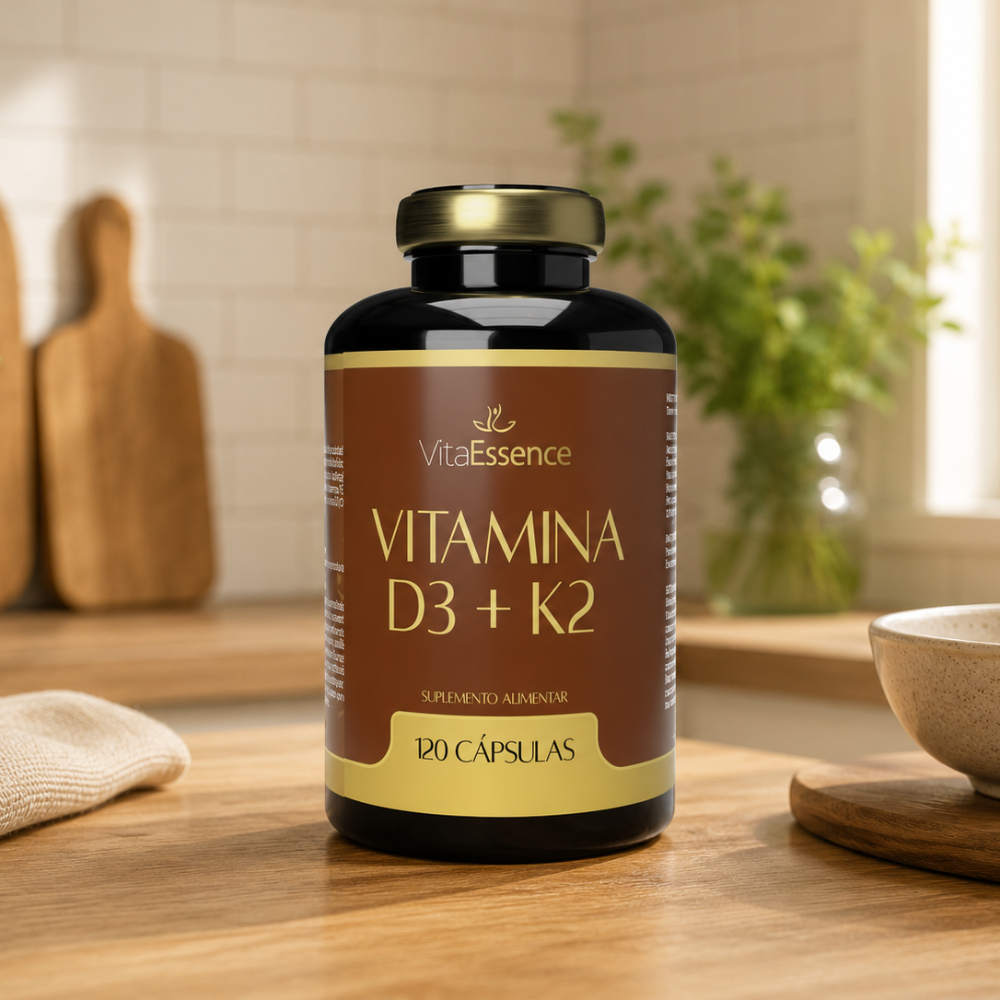
VitaEssence Vitamin D3 + K2 Wellness Food Supplement 120 caps.A food supplement. Vitamin D3 + K2 Food Supplement combines vitamin D3 with vitamin K2 to support bone health, calcium utilization, and immune function. Contributes to the maintenance of normal bones. Supports normal calcium absorption and utilization. Helps maintain normal muscle function. Contributes to the normal function of the immune system.21,70 £*Shipping: 5,22 £Secure redirect to the provider
-
Piccadilly Press How to Talk So Kids Can Learn at Home and in School - Adele Faber & Elaine Mazlish - Paperback - Bestselling Parenting & Education Guide for ParentsHow to Talk So Kids Can Learn at Home and in School is a practical guide from parenting experts Adele Faber and Elaine Mazlish. This book applies their renowned communication techniques to the challenges of learning, motivation, and school life, offering tools that can genuinely change how adults and children interact around education, homework, and classroom behaviour. Drawing on the same down-to-earth dialogues, real-life examples, and instantly recognisable cartoons that made Faber and Mazlish's earlier work a worldwide phenomenon, this book tackles the everyday frustrations parents and teachers face when trying to help children succeed academically. Written for parents and teachers alike, it provides a straightforward approach to helping children learn and succeed in school.5,99 £*Shipping: 2,99 £Secure redirect to the provider
-
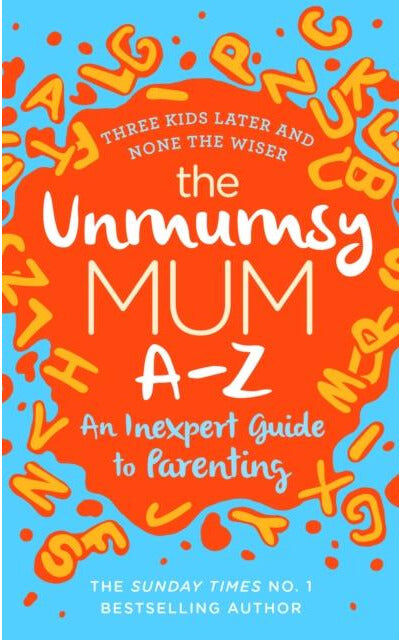
Transworld Publishers Ltd Books about parenting, The Unmumsy Mum A-Z - An Inexpert Guide to Parenting by Sarah Turner (Parenting Guide Book)From bestselling author and massively popular blogger The Unmumsy Mum comes this hilarious, irreverent and searingly candid compendium of parenting experiences. With entries including D is for Desperation, F is for Fish Fingers, S is for Supermum and V is for Vagina, it is safe to say this is not your average A-Z. This book wont tell you what sort of parent you should or should not be; instead, it offers a refreshingly honest account of what being a mum to three young children is really like and the surprising lessons that have been learned along the way. If you feel as though you are not measuring up or are struggling to cherish every moment, Sarah tales from the thick of it will reassure and resonate with you. Above all, her commitment to telling the truth, the whole truth and nothing but the truth will make you laugh out loud and remind you that you are, in fact, doing a great job. What readers are saying: For all parents out there, this is a must read. Absolutely hilarious and so true to life. 100 recommend. Makes me smile and actually keeps me sane as it is so easy to relate to. It made me laugh Sleeping through, it made me cry Xmas and it made me feel better about the times I think I am getting it wrong.1,99 £*Shipping: 1,99 £Secure redirect to the provider
-
Inspire Select 2025 AMOLED ECG Smart Watch Bluetooth Call NFC Fitness & Wellness Tracker blueStay connected while tracking your daily wellness with this advanced ECG smart watch designed for fitness, health monitoring, and smart convenience. Featuring a premium AMOLED smartwatch display, Bluetooth calling, NFC support, and intelligent...279,98 $*Shipping: 0,00 $Secure redirect to the provider


-
Which cells produce antigens?
Antigens are produced by a variety of cells in the body, including B cells, T cells, macrophages, dendritic cells, and other antigen-presenting cells. These cells play a crucial role in the immune response by presenting antigens to the immune system and activating immune responses against foreign invaders. **
-
What exactly are antigens?
Antigens are molecules that can trigger an immune response in the body. They are usually proteins or polysaccharides found on the surface of pathogens such as bacteria, viruses, or other foreign substances. When the immune system detects antigens, it produces antibodies to neutralize or eliminate the threat. Antigens can also be found on the surface of normal body cells, and in this case, the immune system must distinguish between self and non-self antigens to avoid attacking healthy tissues. **
-
How do antigens enter the body?
Antigens can enter the body through various routes such as inhalation, ingestion, injection, or direct contact with the skin. When inhaled, antigens can enter through the respiratory system, while ingested antigens can enter through the digestive system. Injection of antigens can occur through a puncture wound or through medical procedures like vaccinations. Direct contact with the skin allows antigens to enter through cuts, scrapes, or mucous membranes. **
-
Are antigens and pathogens the same thing?
No, antigens and pathogens are not the same thing. Antigens are molecules that trigger an immune response in the body, while pathogens are microorganisms that can cause disease. Pathogens can contain antigens that the immune system recognizes and responds to in order to fight off the infection. In summary, antigens are a broader category that includes pathogens as one type of antigen. **

What is the difference between antigens and antibodies?
Antigens are molecules that can trigger an immune response in the body, such as viruses, bacteria, and other foreign substances. They are recognized by the immune system as being foreign and can stimulate the production of antibodies. Antibodies, on the other hand, are proteins produced by the immune system in response to the presence of antigens. They specifically bind to antigens and help to neutralize or eliminate them from the body. In summary, antigens are the foreign substances that trigger the immune response, while antibodies are the proteins produced by the immune system to target and neutralize antigens. **
Can Giardia be diagnosed through a blood test for antibodies and antigens?
Giardia cannot be diagnosed through a blood test for antibodies and antigens. The most common method for diagnosing Giardia is through a stool sample, where the parasite can be detected microscopically or through a specialized test called an antigen test. Blood tests for antibodies and antigens are not reliable for diagnosing Giardia, as they may not accurately reflect the presence of the parasite in the intestines. Therefore, stool samples are the preferred method for diagnosing Giardia. **
Top-Angebote
Products related to Antigens:
-
Scribe UK Extraordinary Parenting: The Essential Guide to Parenting and Educating at Home by Eloise Rickman - Paperback - Home Education & Parenting GuideA warm and practical companion for families choosing to learn together outside the classroom, this guide by Eloise Rickman offers reassurance, real strategies, and a rights-based approach to raising confident, independent children. Written by an experienced parenting coach, it moves past rigid timetables and worksheets, showing parents how genuine connection, secure routines, and a simplified home can spark curiosity naturally. Whether you're a full-time home educator or want more intentional learning in everyday life, this guide explores how everyday family life can become the richest classroom of all, drawing on the author's experience supporting home-educating families to explain how secure attachment underpins genuine curiosity and lifelong learning.5,49 £*Shipping: 2,99 £Secure redirect to the provider
-
Universal Stock Smart Watch With Bluetooth Calling ECG PPG Fitness And Wellness Tracking Smart Watch With Bluetooth Calling ECG PPG Fitness And Wellness TrackingStay connected and keep everyday wellness insights close at hand with the 1 pc of MT200 health monitoring smartwatch. Its crisp 1.43inch approx 466 x 466 AMOLED touchscreen makes calls, notifications, activity stats, and watch faces easy to view....119,97 $*Shipping: 0,00 $Secure redirect to the provider
-
VitaEssence Vitamin D3 + K2 Wellness Food Supplement 120 caps.A food supplement. Vitamin D3 + K2 Food Supplement combines vitamin D3 with vitamin K2 to support bone health, calcium utilization, and immune function. Contributes to the maintenance of normal bones. Supports normal calcium absorption and utilization. Helps maintain normal muscle function. Contributes to the normal function of the immune system.21,70 £*Shipping: 5,22 £Secure redirect to the provider
-
Piccadilly Press How to Talk So Kids Can Learn at Home and in School - Adele Faber & Elaine Mazlish - Paperback - Bestselling Parenting & Education Guide for ParentsHow to Talk So Kids Can Learn at Home and in School is a practical guide from parenting experts Adele Faber and Elaine Mazlish. This book applies their renowned communication techniques to the challenges of learning, motivation, and school life, offering tools that can genuinely change how adults and children interact around education, homework, and classroom behaviour. Drawing on the same down-to-earth dialogues, real-life examples, and instantly recognisable cartoons that made Faber and Mazlish's earlier work a worldwide phenomenon, this book tackles the everyday frustrations parents and teachers face when trying to help children succeed academically. Written for parents and teachers alike, it provides a straightforward approach to helping children learn and succeed in school.5,99 £*Shipping: 2,99 £Secure redirect to the provider
-
Are antigens pathogens?
Antigens are molecules that can trigger an immune response in the body. While some antigens may come from pathogens such as bacteria, viruses, or other harmful substances, not all antigens are pathogens. Antigens can also come from harmless substances like pollen, dust, or certain foods. **
-
What are antigens?
Antigens are molecules or substances that are recognized by the immune system as foreign and can elicit an immune response. They can be found on the surface of pathogens such as bacteria, viruses, and parasites, as well as on the surface of transplanted tissues or cells. Antigens are also present on the surface of cancer cells. When the immune system detects antigens, it produces specific antibodies or activates immune cells to target and eliminate the foreign substances. **
-
Which cells produce antigens?
Antigens are produced by a variety of cells in the body, including B cells, T cells, macrophages, dendritic cells, and other antigen-presenting cells. These cells play a crucial role in the immune response by presenting antigens to the immune system and activating immune responses against foreign invaders. **
-
What exactly are antigens?
Antigens are molecules that can trigger an immune response in the body. They are usually proteins or polysaccharides found on the surface of pathogens such as bacteria, viruses, or other foreign substances. When the immune system detects antigens, it produces antibodies to neutralize or eliminate the threat. Antigens can also be found on the surface of normal body cells, and in this case, the immune system must distinguish between self and non-self antigens to avoid attacking healthy tissues. **
Similar search terms for Antigens
-
Transworld Publishers Ltd Books about parenting, The Unmumsy Mum A-Z - An Inexpert Guide to Parenting by Sarah Turner (Parenting Guide Book)From bestselling author and massively popular blogger The Unmumsy Mum comes this hilarious, irreverent and searingly candid compendium of parenting experiences. With entries including D is for Desperation, F is for Fish Fingers, S is for Supermum and V is for Vagina, it is safe to say this is not your average A-Z. This book wont tell you what sort of parent you should or should not be; instead, it offers a refreshingly honest account of what being a mum to three young children is really like and the surprising lessons that have been learned along the way. If you feel as though you are not measuring up or are struggling to cherish every moment, Sarah tales from the thick of it will reassure and resonate with you. Above all, her commitment to telling the truth, the whole truth and nothing but the truth will make you laugh out loud and remind you that you are, in fact, doing a great job. What readers are saying: For all parents out there, this is a must read. Absolutely hilarious and so true to life. 100 recommend. Makes me smile and actually keeps me sane as it is so easy to relate to. It made me laugh Sleeping through, it made me cry Xmas and it made me feel better about the times I think I am getting it wrong.1,99 £*Shipping: 1,99 £Secure redirect to the provider
-
Inspire Select 2025 AMOLED ECG Smart Watch Bluetooth Call NFC Fitness & Wellness Tracker blueStay connected while tracking your daily wellness with this advanced ECG smart watch designed for fitness, health monitoring, and smart convenience. Featuring a premium AMOLED smartwatch display, Bluetooth calling, NFC support, and intelligent...279,98 $*Shipping: 0,00 $Secure redirect to the provider
-
The Complete Parenting Guide: Positive Parenting By Prof. N. K. Chandha - Non Fiction - PaperbackThe Complete Parenting Guide: Positive Parenting offers practical advice for raising well-adjusted children. Written by Prof. N. K. Chandha, this comprehensive non-fiction resource provides actionable guidance for daily family life. The book covers essential strategies for building confidence and independence in children at various developmental stages, including improving communication, setting healthy boundaries, and nurturing mental well-being. It serves as a steady reference for navigating stressful moments with calm clarity.2,99 £*Shipping: 2,99 £Secure redirect to the provider
-
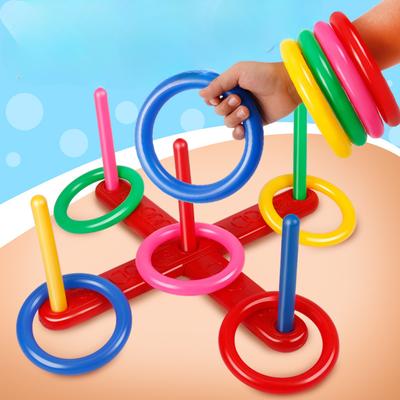
Top Demand Picks Interactive Ring Toss Game, Fun Stacking Ring Games For Early Education, Indoor Outdoor Sports And Fitness Toys For All Interactive Ring Toss Game, Fun Stacking Ring Games For Early Education, Indoor Outdoor Sports And Fitness Toys For AlUnleash hours of active fun and developmental play with our Interactive Ring Throwing Game! This isn't just a toy; it's a gateway to laughter, healthy competition, and skillbuilding for the entire family. Perfect for sports and fitness enthusiasts,...21,97 $*Shipping: 0,00 $Secure redirect to the provider
-
How do antigens enter the body?
Antigens can enter the body through various routes such as inhalation, ingestion, injection, or direct contact with the skin. When inhaled, antigens can enter through the respiratory system, while ingested antigens can enter through the digestive system. Injection of antigens can occur through a puncture wound or through medical procedures like vaccinations. Direct contact with the skin allows antigens to enter through cuts, scrapes, or mucous membranes. **
-
Are antigens and pathogens the same thing?
No, antigens and pathogens are not the same thing. Antigens are molecules that trigger an immune response in the body, while pathogens are microorganisms that can cause disease. Pathogens can contain antigens that the immune system recognizes and responds to in order to fight off the infection. In summary, antigens are a broader category that includes pathogens as one type of antigen. **
-
What is the difference between antigens and antibodies?
Antigens are molecules that can trigger an immune response in the body, such as viruses, bacteria, and other foreign substances. They are recognized by the immune system as being foreign and can stimulate the production of antibodies. Antibodies, on the other hand, are proteins produced by the immune system in response to the presence of antigens. They specifically bind to antigens and help to neutralize or eliminate them from the body. In summary, antigens are the foreign substances that trigger the immune response, while antibodies are the proteins produced by the immune system to target and neutralize antigens. **
-
Can Giardia be diagnosed through a blood test for antibodies and antigens?
Giardia cannot be diagnosed through a blood test for antibodies and antigens. The most common method for diagnosing Giardia is through a stool sample, where the parasite can be detected microscopically or through a specialized test called an antigen test. Blood tests for antibodies and antigens are not reliable for diagnosing Giardia, as they may not accurately reflect the presence of the parasite in the intestines. Therefore, stool samples are the preferred method for diagnosing Giardia. **
* All prices are inclusive of VAT and, if applicable, plus shipping costs. The offer information is based on the details provided by the respective shop and is updated through automated processes. Real-time updates do not occur, so deviations can occur in individual cases. ** Note: Parts of this content were created by AI.